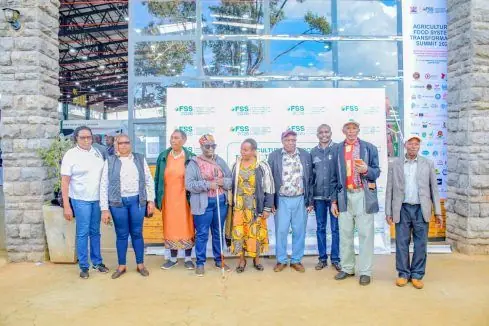
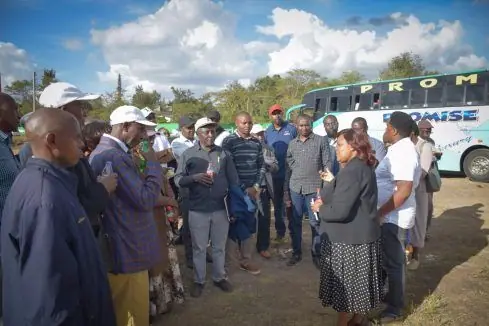
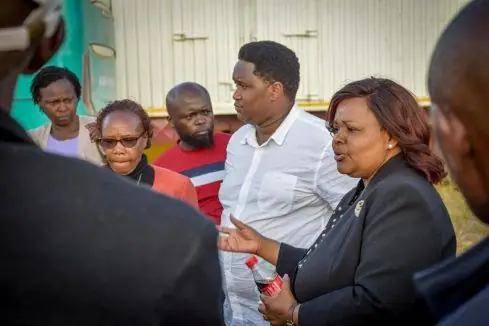
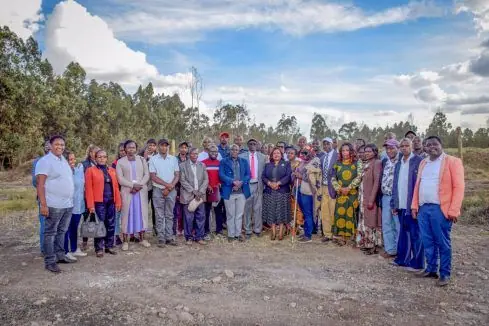
NAIROBI, KENYA, 8 October 2026. Long before the doors of the Jamhuri Park-ASK Grounds opened for Day Two of the summit, forty-two farmers from Kiine Ward in Kirinyaga County had already prepared themselves. The cows had been milked, the layers fed, and the tea and coffee plots checked. Then they boarded a bus for Nairobi.
They travelled as guests of the Mercy Wanjau Foundation, to hear the country’s plans for agriculture first-hand and bring their own questions to the people shaping them.
A day built around choices
Day Two asked what Kenya must choose next. Its centrepiece was a presidential address on the country’s next transformation plan for food security, jobs and wealth creation, followed by panels on how to keep more of the value of what farmers grow.
For the Kiine delegation this was a promise of transforming value of their daily tasks. Coffee, tea and milk leave the farm as raw produce, and the profit is made further along the chain. The panels brought together banks, millers, cooperatives, the Coffee Board, the Kenya Tea Development Agency and small-scale processors to discuss how more of that value can stay closer to the farm.
Data that works for the farmer
The morning also turned to digital tools. The Kenya Agricultural Digital Information Centre (KADIC) presented the Agricultural Dashboard, designed to connect data, services and youth innovation. Such tools matter most when they reach the farmer, whose records often live in a notebook and whose decisions depend on information arriving at the right time.
Why it matters
The Mercy Wanjau Foundation works to be a “Beacon of Hope” for inclusive growth across Kenya’s rural communities, empowering people through technology, education, economic inclusion and wellness. Giving local farmers the opportunity to be part of the national summit applies that idea: real transformation depends on the people who grow the food, and they need to be in the room when decisions are made.
In pictures
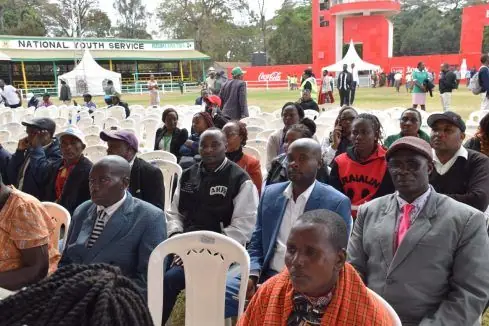
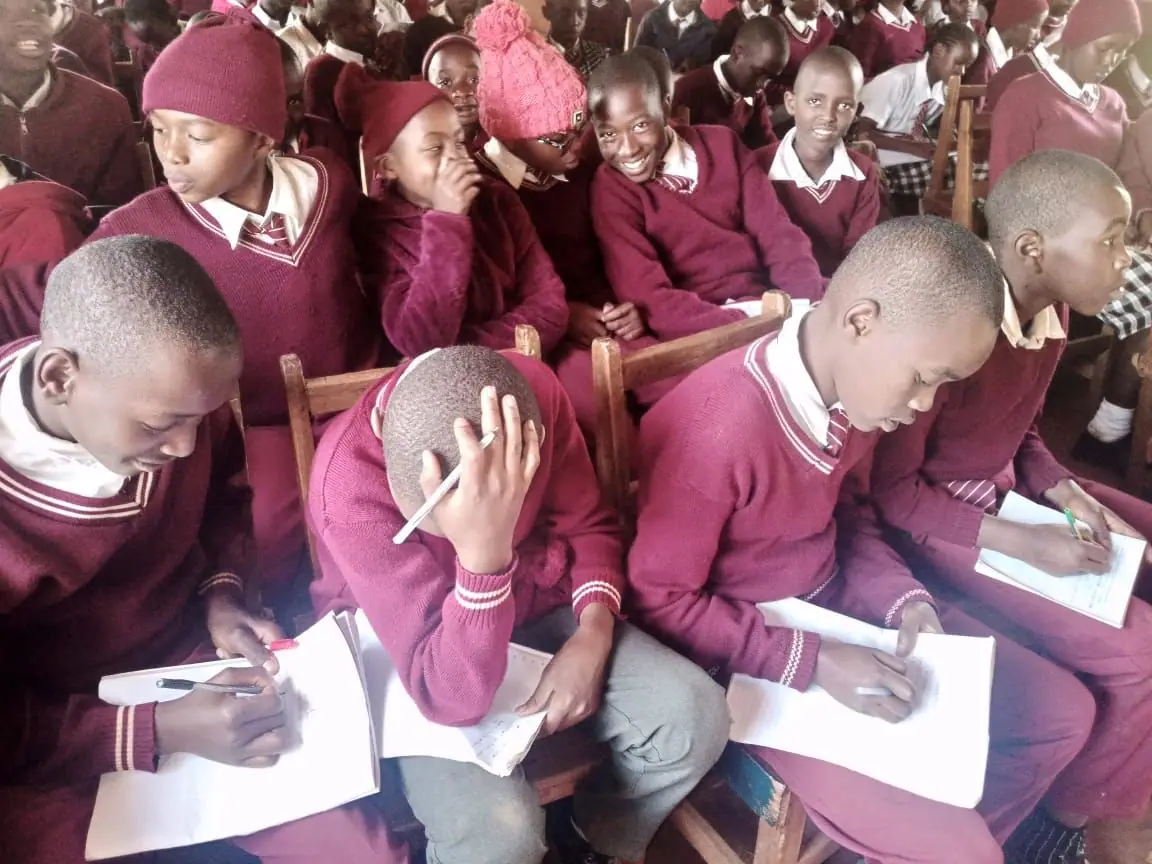
In the audience on Day Two of the summit 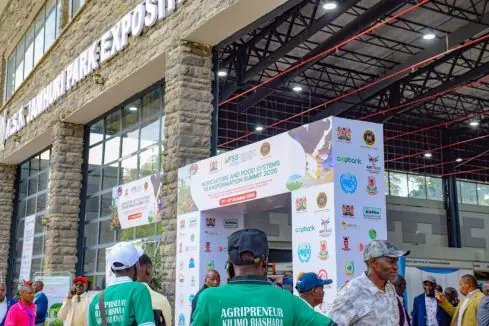
Jamhuri Park ASK Grounds, Nairobi