InsightDisability Inclusion
Assistive Technology: A Game-Changer for Equal Opportunities
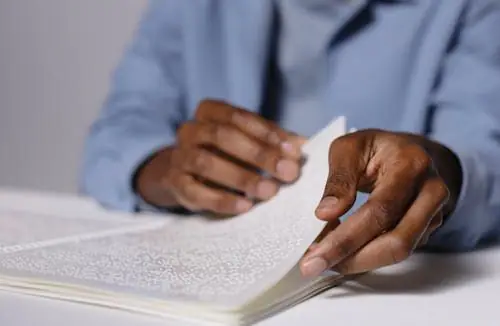
Assistive technology helps PWDs overcome barriers to education, employment, and daily life. Mercy Wanjau Foundation provides devices, software, and training that enable PWDs to work, learn,…
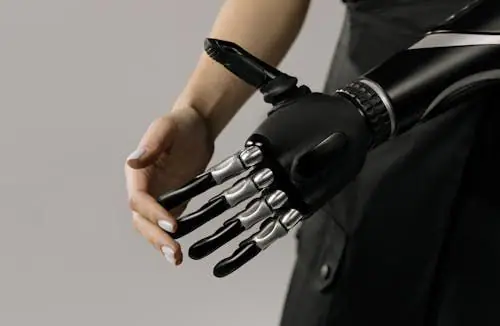
Assistive technology helps PWDs overcome barriers to education, employment, and daily life. Mercy Wanjau Foundation provides devices, software, and training that enable PWDs to work, learn, and communicate effectively.
Technology is best when it brings people together.
Types of Assistive Technology
MWF provides:
- Screen readers for visually impaired users
- Voice recognition software
- Ergonomic keyboards and adaptive devices
- Mobility and communication aids
These tools enhance independence and productivity.
Training and Support
Devices alone are not enough. MWF trains participants on proper use, troubleshooting, and integration into daily routines. Mentorship ensures learners can maximize technology for work and education.
How You Can Help
- Donate assistive technology or fund devices
- Volunteer as a technology trainer
- Advocate for digital accessibility in workplaces and schools
Your support ensures more PWDs can thrive independently.
Conclusion
Assistive technology is transformative for PWDs. By combining tools, training, and mentorship, Mercy Wanjau Foundation empowers PWDs to participate fully in society. Contributions make this impact possible.